

"Shouldn't all debts just be repaid?" Read the answer to this and other questions about the global debt crisis.


Cardinal Stephen Ameyu Martin Mulla has written a letter to the Catholic community of England and Wales about the debt crisis
“I write to you with a heart carrying the reality that our people face today,” Nearly 10 million South Sudanese need humanitarian assistance. Flooding has displaced a million people this year. Food insecurity is widespread and malnutrition is rising.
Alongside all of this is the burden of external debt. Years of instability forced our nation to borrow in order to function. Today, so much of our national resources are diverted to servicing that debt, instead of paying for growing food, healthcare, education and building peace. When debt repayment takes priority over essential services, the poorest suffer most.”
This is from a letter that Cardinal Stephen Ameyu Martin Mulla of South Sudan has written to the parishioners of England and Wales, asking us to keep up our campaign to tackle the global debt crisis. South Sudan's situation is an example of the broken debt system, in which low-income countries are trapped in a spiral of sky-high interest rates and debts that can never be cleared.
“Last year, in the spirit of Jubilee, you raised your voices in support of a fairer and more compassionate debt system...That solidarity mattered. But the need remains urgent.”

We are calling on the UK government to do two urgent things in 2026 to address the global debt crisis:
Pass legislation to ensure private lenders can no longer make huge profits from countries struggling with unsustainable debts
Use the UK's presidency of the G20 in 2027 to fix the global debt system.
In 2025, the UK High Court ordered South Sudan to pay $657 million dollars to a commercial bank. That’s half of the South Sudanese government’s annual revenue. This is one of the poorest and most fragile states in the world, in which nearly 70% of the population are in need of humanitarian assistance, being ordered by an English court to pay almost half of their revenue to a big private bank.
The reason this is possible is that the UK allowed it. 90% of debts owed by poorer countries to private lenders, including multinational banks, hedge funds and asset managers, are governed under English Law because the contracts are drawn up in the City of London. It means that these banks and hedge funds can sue low-income countries in English courts.
The UK government could stop this injustice now by passing a debt justice law that prevents countries in debt distress from being sued.. It wouldn’t cost a penny of taxpayers’ money and it would make a tremendous difference to countries like South Sudan.
As well as passing a debt justice law, the UK government can use its 2027 presidency of the G20 to bring countries together and reform the broken global debt system.
“I invite you to continue standing with us through prayer, advocacy and support,” concludes Cardinal Stephen. “May the Lord bless you for your solidarity and commitment to justice.”
"Shouldn't all debts just be repaid?" Read the answer to this and other questions about the global debt crisis.
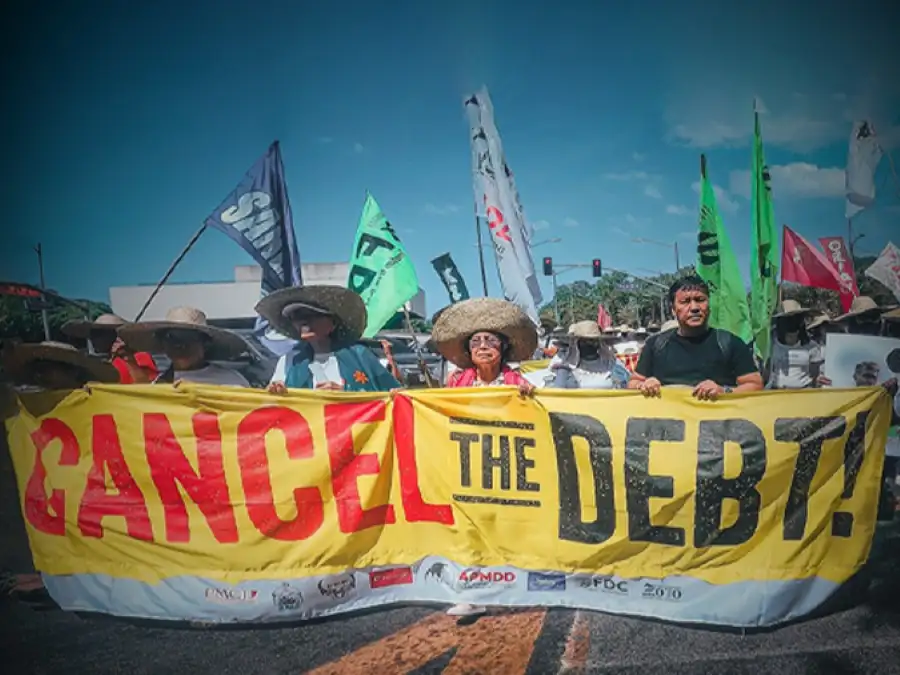
This report outlines why, following the historic success of the Jubilee 2000 debt campaign, the world once again faces an acute global debt crisis in 2025.
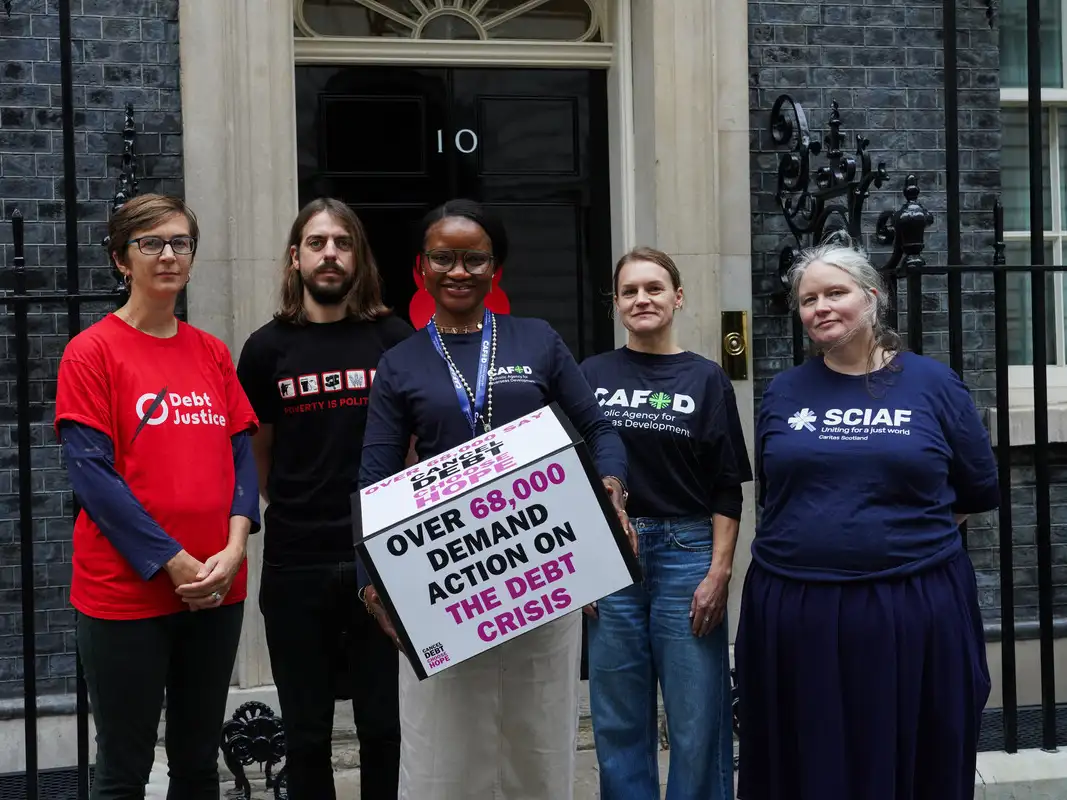
Ask your MP to write to the Prime Minister to call for urgent action on the debt crisis.